1. Walk the site
The team checks every room, shelf and corner where containers may be hiding. It counts and photographs what it finds before touching anything.
Lawrenceville, GA · Gwinnett County
Landlords and homeowners in Lawrenceville call (877) 812-4220 when a move-out, an inheritance or a leak leaves chemicals behind. Crews identify the products, remove them and clean what they contaminated.
If anyone is in danger, call 911 first. For a suicide crisis, call or text 988.
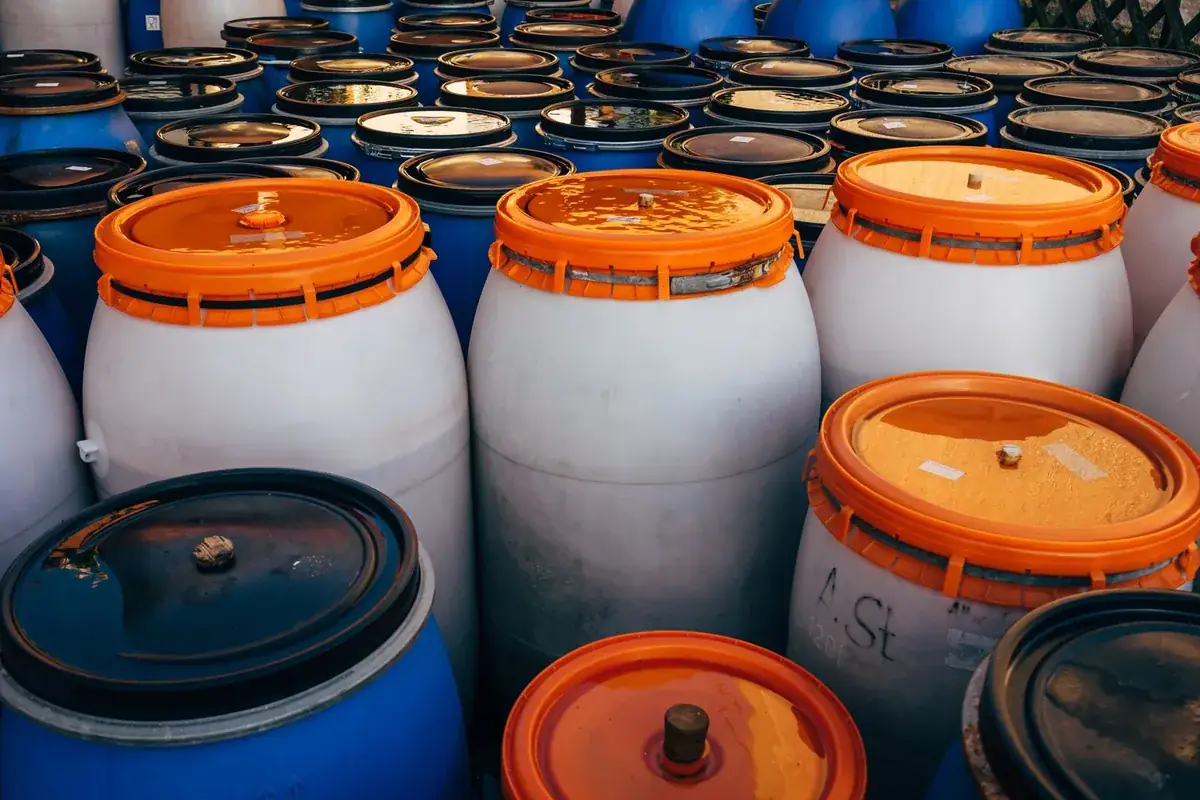
A chemical spill cleanup begins with identifying the substance and ends with waste hauled to a facility that can accept it. In between, crews contain the spread, remove soaked materials and clean the affected area.
If you need chemical and toxic waste cleanup for your home, rental, shop, farm or storage unit in Lawrenceville or anywhere in Gwinnett County, call Lawrenceville Biohazard Cleanup Help. You get crews in protective gear matched to the substance, and each job stays orderly.
Gwinnett County has a Relatively High river flood risk rating from FEMA, and floodwater can tip over drums and spread chemicals across yards. Wet weather in Lawrenceville, about 51 inches of precipitation a year, speeds the rusting of old drums and the spread of leaked product.
A typical chemical & toxic waste cleanup job includes:
The team checks every room, shelf and corner where containers may be hiding. It counts and photographs what it finds before touching anything.
Products are separated by type, such as flammables, corrosives and poisons. Leaking containers are placed in secondary containment right away.
Hazardous material, empty containers and soaked items go into sealed drums or bags. Hard surfaces are cleaned, and porous materials that soaked up the substance are removed.
Surfaces are cleaned with methods suited to the substance. Waste is labeled, sorted by type and hauled by the rules that apply.
The cost of chemical & toxic waste cleanup in Lawrenceville, GA depends on the amount of material, how it is packed and how it is hauled.
Hauling and packaging count too. Drums, labels, secondary containers and transport are part of lawful waste handling and are priced into the job.
| Type of job | Typical range |
|---|---|
| Hazardous chemicals | $30 - $50 per barrel |
Estimates only, not a quote. Sources: Fixr. Price drivers include type of chemical, amount, packaging and transport, disposal fees. Call (877) 812-4220 to talk through the job.
Yes. Buyers, lenders and inspectors may ask that chemical waste be removed and documented. The crew removes the waste, cleans the area and supplies a summary of what was done.
The person or business that caused a spill is often responsible, and owners usually carry the cost on their own property. In a rental, the lease and local law decide. Some teams offer payment plans.
Get everyone away from the area, including pets. Call 911 if anyone is in danger, or Poison Control with exposure questions. Do not touch unknown containers or try to wash a spill away. Then call a cleanup team for next steps.
Biological hazards come from living things, such as bacteria, viruses and body fluids. Chemical hazards come from substances like solvents, acids, fuels and pesticides. They need different gear, products and disposal, and some jobs involve both.
Open a window if it is safe, leave the room and keep people and pets away. Do not vacuum or sweep mercury, since that spreads it. Call Poison Control with questions, and call a cleanup team if the spill is large.
The terms overlap. Hazmat usually refers to the wider set of hazardous materials, and chemical and toxic waste describes leftover or spilled chemicals. Both call for careful handling. A local team can explain which term fits your situation.
Calls are answered 24/7, and the work is kept discreet.
Call (877) 812-4220